

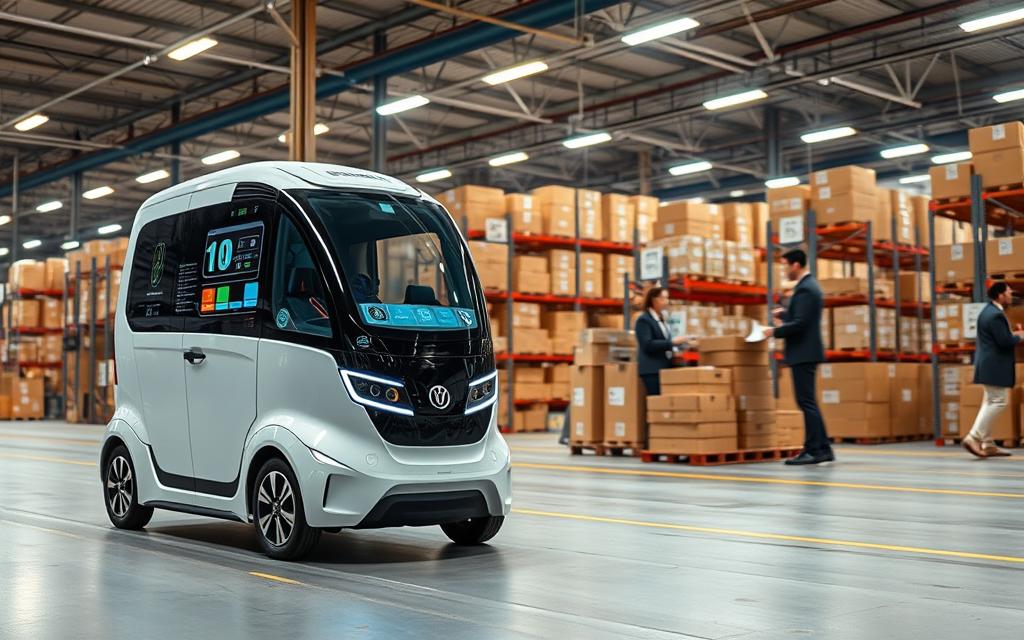
In today’s fast-paced world, businesses need advanced logistics systems to manage operations. MVE delivery technology combines order management, dispatching, fleet operations, tracking, analytics, and customer communications. It streamlines processes and improves efficiency across modern delivery systems.
However, “MVE” may mean different things to companies and technology providers. Businesses should verify each vendor’s definition to ensure clarity. Logistics technology can speed fulfillment, improve delivery visibility, and allocate resources better, creating more reliable customer experiences.
Next, we explore how MVE delivery technology shapes modern logistics and improves overall operations.
Key Takeaways
- MVE delivery technology integrates multiple logistics functions.
- Definitions of MVE may differ by provider.
- This technology enhances delivery visibility and efficiency.
- It supports faster order fulfillment.
- Improved resource allocation is a key benefit.
What Is MVE Delivery Technology?
The MVE delivery definition covers a complete way to manage logistics and delivery work. It combines hardware, software, connectivity, and data processes from order intake through final-mile completion.
MVE delivery technology is more than one application; it uses a digital delivery platform to coordinate systems and work steps. It combines transportation management, fleet management, GPS tracking, driver applications, customer notifications, proof of delivery, and performance dashboards. Together, these tools reduce manual work and improve delivery accuracy.
For instance, logistics automation in an MVE system helps companies handle disruptions. It keeps information moving among warehouses, drivers, dispatch teams, customers, and enterprise systems. This improves efficiency and helps businesses maintain high service quality.
According to industry experts, “MVE delivery technology is revolutionizing logistics, providing a seamless experience for businesses and customers.” This statement shows why advanced technology matters more in logistics.
| Component | Function | Benefits |
|---|---|---|
| Transportation Management | Oversees the planning and execution of transportation | Improves route efficiency |
| Fleet Management | Monitors vehicle performance and maintenance | Reduces operational costs |
| GPS Tracking | Provides real-time location data | Enhances delivery accuracy |
| Driver Applications | Facilitates communication and task management | Increases driver productivity |
| Performance Dashboards | Displays key performance indicators | Supports data-driven decision making |
In summary, MVE delivery technology is a major innovation in modern logistics. With a digital delivery platform, businesses can improve their delivery management software. These tools help meet customer expectations and optimize operations.
The Origins and Evolution of MVE Delivery Technology
The history of delivery technology shows a remarkable change in logistics. It moved from simple manual work to advanced systems driven by technology. This change explains how modern delivery methods meet rising demand.
Related Posts:






Early Development in the United States
Early U.S. logistics technology relied on paper records and telephone dispatching. These methods took time and often caused errors. Growing parcel shipping and retail distribution created a need for better planning.
Trucking and e-commerce increased this demand. Companies needed shipment visibility and better ways to manage logistics. Basic spreadsheets began computerized tracking and helped businesses follow deliveries.
Milestones in Technological Advancement
Several milestones shaped the evolution of delivery technology. Electronic data interchange (EDI) changed business communication through faster, more accurate data sharing. Warehouse management systems (WMS) followed, improving inventory control and order fulfillment.
Transportation management systems (TMS) helped streamline logistics operations. They helped companies plan, carry out, and improve goods movement. Mobile driver applications and connected sensors added real-time tracking and improved visibility.
Cloud computing transformed MVE delivery systems with flexible solutions for changing business needs. Artificial intelligence (AI) offers insights that help companies handle more orders and meet tighter delivery windows.
The evolution of delivery systems reflects rising customer expectations and the need for better logistics efficiency. As technology advances, MVE delivery systems may bring innovations that shape the future of logistics.
Core Components of MVE Delivery Systems
Understanding delivery system components helps explain how advanced MVE logistics networks work. These networks combine physical hardware and sophisticated software to support efficient delivery.
Hardware Infrastructure
Hardware forms the backbone of any MVE delivery system. It includes devices that support real-time delivery tracking and management. Key fleet tracking devices form part of this infrastructure.
Tracking Devices and Sensors
Tracking devices and sensors support GPS delivery tracking. They monitor location, vehicle condition, and shipment status. They collect temperature and handling data for time-sensitive or regulated goods, while temperature sensors keep perishable items safe in transit.
Routing and Navigation Tools
Routing and navigation tools improve delivery efficiency. They use mapping services and traffic data to support route planning software. Geofencing defines operating areas, while driver interfaces provide live updates, keeping deliveries timely and cost-effective.
Software Platforms
Software platforms are vital to delivery operations. They provide the digital framework for managing deliveries and include these tools:
Data Analytics Engines
Data analytics engines study key performance indicators, including on-time delivery rates, miles per stop, and cost per shipment. This analysis helps logistics companies find improvements and optimize operations. With the right logistics data analytics, businesses can make informed decisions that improve service quality.
Integration with Enterprise Systems
Effective enterprise system integration connects MVE delivery systems with other business operations. It links e-commerce platforms, warehouse management systems, and customer relationship management tools. This integration streamlines processes and helps components work together, improving customer satisfaction.
Together, strong hardware and advanced software create a seamless MVE delivery system. Understanding these delivery system components helps logistics teams use modern delivery technology in their operations. For more insights on improving delivery efficiency with MVE technology, visit this link.
How MVE Delivery Technology Works in Practice
MVE delivery technology shows how logistics works in real situations. This section explains the complete delivery workflow and shows how order fulfillment technology supports each step.
The Order Processing Stage
The journey starts with the order processing stage. The system receives customer orders, checks delivery details, and reviews inventory. It then assigns service needs for each delivery.
After confirmation, the system creates a detailed delivery record. It lists customer details, the delivery address, and expected delivery times. This helps the right products reach the right customers on time.
The Dispatch and Routing Stage
Next comes the dispatch and routing stage. The platform groups orders by vehicle capacity, driver availability, and delivery windows. It also reviews traffic patterns and locations to improve routes.
This smart dispatch optimization creates useful routes that reduce delays and improve efficiency. Real-time data helps MVE delivery technology guide each delivery smoothly.
The Final Mile Execution Stage
Finally, the final mile execution stage uses final-mile delivery technology. Drivers receive detailed instructions in a mobile app, which guides each delivery. They record stops, capture signatures, and take photographs as proof of delivery.
The system updates delivery status in real time, so teams and customers can track shipments. This clear view helps maintain customer satisfaction and trust.
After delivery, proof of delivery information returns to the operations team. This data supports billing, service recovery, and future planning. By connecting these stages smoothly, MVE delivery technology improves logistics efficiency.
Key Benefits of MVE Delivery Technology for Modern Logistics
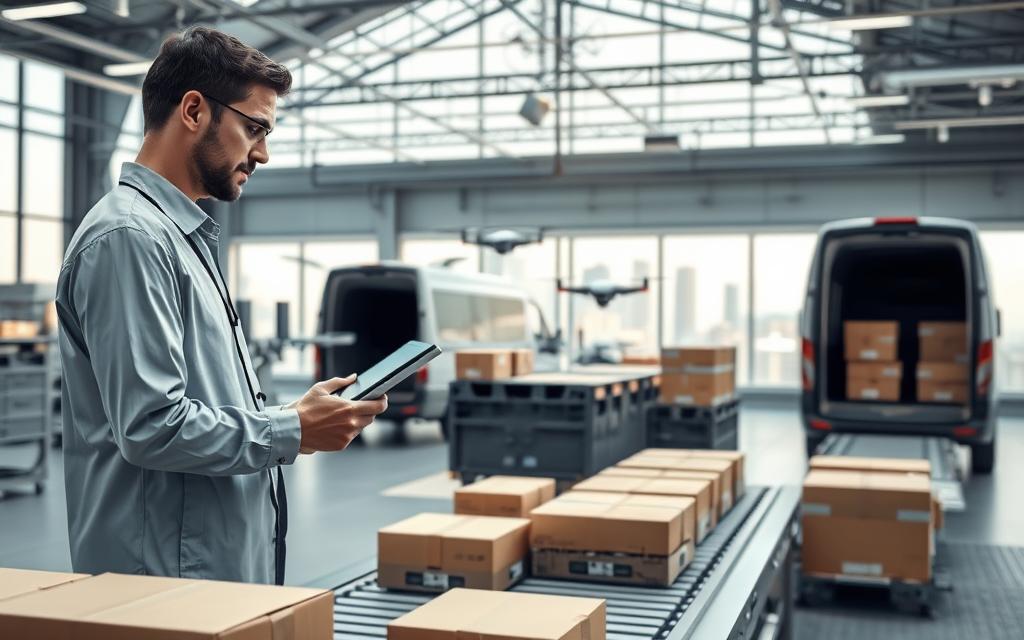
MVE Delivery Technology transforms logistics by improving how businesses work. It strengthens supply chain visibility, delivery efficiency, and operational performance across the supply chain. These gains help organizations manage deliveries more effectively.
Improved Operational Efficiency
MVE Delivery Technology streamlines operations and reduces manual updates through automated task allocation. Teams can focus on critical activities while better route planning improves vehicle use. Faster exception handling also supports stronger operational performance.
Enhanced Visibility and Transparency
Real-time status information supports effective logistics management. MVE Delivery Technology gives dispatchers, customers, warehouse teams, and managers immediate updates. This supply chain visibility builds trust and accountability throughout the supply chain.
“Visibility is the backbone of effective logistics management.”
Cost Reduction Across the Supply Chain
MVE Delivery Technology creates substantial savings by reducing mileage, fuel use, and operating costs. Better labor allocation and accurate capacity planning help prevent failed deliveries. This approach supports logistics cost reduction and helps organizations use resources well.
Stronger Customer Satisfaction
Today’s competitive market makes customer delivery experience essential to customer satisfaction. It provides accurate delivery windows, proactive notifications, flexible instructions, and dependable proof of delivery. Companies should measure these benefits through baseline and post-implementation metrics, not software claims alone.
| Benefit | Description | Impact |
|---|---|---|
| Operational Efficiency | Automated task allocation and route planning | Higher productivity and reduced manual errors |
| Visibility | Real-time updates for all stakeholders | Increased trust and improved communication |
| Cost Reduction | Lower fuel consumption and better labor allocation | Enhanced profitability and resource management |
| Customer Satisfaction | Accurate delivery windows and proactive notifications | Improved customer loyalty and retention |
Applications of MVE Delivery Technology Across U.S. Industries
Various U.S. industries use MVE delivery technology to solve unique operational challenges. Tailored industry delivery solutions improve logistics, efficiency, and customer satisfaction.
E-Commerce and Retail
The e-commerce sector uses e-commerce delivery technology to manage high order volumes. Businesses can provide same-day and scheduled deliveries, improving customer experience. Efficient returns processing and timely customer notices matter during peak seasons, helping retailers scale.
Healthcare and Pharmaceutical Logistics
In healthcare logistics, MVE delivery technology supports strict regulatory compliance. Pharmaceutical delivery tracking preserves chain-of-custody records. Temperature monitoring and secure handling protect sensitive products, while delivery confirmation supports applicable requirements and patient safety.
Food and Grocery Distribution
Food and grocery distribution faces special challenges, especially with perishable products. MVE technology optimizes time-sensitive routes and improves cold-chain visibility through grocery delivery systems. Narrow delivery windows still allow effective substitutions, so customers receive fresh items promptly.
Manufacturing and Industrial Shipping
For manufacturing and industrial shipping, MVE delivery technology streamlines palletized freight operations. Planned routes and proof of receipt support efficient parts delivery through industrial logistics. Coordination among plants, warehouses, suppliers, and job sites ensures equipment requirements are met without delays.
| Industry | Key Focus Areas | Technology Benefits |
|---|---|---|
| E-Commerce and Retail | High order volumes, same-day delivery | Improved customer satisfaction, scalability |
| Healthcare | Temperature monitoring, secure handling | Compliance, patient safety |
| Food Distribution | Perishable products, cold-chain visibility | Timely deliveries, fresh products |
| Manufacturing | Palletized freight, planned routes | Efficient operations, coordination |
MVE Delivery Technology vs. Traditional Delivery Methods
Today, MVE delivery technology differs greatly from traditional delivery methods. This modern logistics comparison helps businesses improve their delivery operations.
Differences in Speed and Accuracy
MVE delivery technology greatly improves delivery speed and accuracy. Automated order handling cuts human errors, while digital addresses make deliveries easier to manage. Route optimization reduces delays, and mobile status updates let customers track orders in real time.
Differences in Scalability
For scalable delivery operations, MVE technology outperforms traditional methods. Centralized platforms let organizations add orders, vehicles, and locations without much more administrative work. This flexibility helps businesses respond to changing demands and grow operations.
Differences in Data Utilization
For logistics data utilization, MVE delivery technology offers advanced tools. Traditional methods use retrospective reports and fragmented records, while MVE systems provide real-time dashboards and historical trend analysis. Predictive planning and exception alerts improve decisions and help businesses respond to challenges early.
Traditional delivery methods may still suit small operations with limited delivery volume, but modern logistics is increasingly complex. As delivery demands grow, MVE delivery technology offers greater advantages.
The Role of Automation and AI in MVE Delivery Systems
AI in logistics and automation are changing MVE delivery systems. They improve efficiency and decisions while keeping people involved in critical areas.
Predictive Analytics for Demand Forecasting
Predictive logistics analytics helps businesses anticipate demand. It studies historical orders, seasonality, promotions, weather patterns, local events, and service-area dynamics. This proactive method helps forecast staffing, vehicle, and inventory needs more accurately, use resources well, and improve service levels.
Autonomous Routing and Dispatch Optimization
Automated route optimization supports intelligent dispatching in MVE delivery systems. These systems assess stops, vehicle capacity, traffic conditions, time windows, and driver constraints. Though they improve efficiency, human oversight remains vital when unusual problems arise during operations.
Machine Learning for Continuous Improvement
Machine learning delivery systems learn from past experiences. They study delivery durations, failed attempts, traffic patterns, and customer availability, then refine their algorithms and support operational excellence. Data quality, explainability, cybersecurity, and human review remain vital before high-impact logistics decisions use AI recommendations.
| Technology | Benefits | Considerations |
|---|---|---|
| Predictive Analytics | Improved demand forecasting | Data quality is essential |
| Automated Routing | Increased efficiency in dispatch | Human oversight needed |
| Machine Learning | Continuous operational improvement | Requires validation of AI outputs |
Challenges and Limitations of MVE Delivery Technology
MVE delivery technology offers benefits, but it also faces major barriers. Organizations must understand these delivery technology challenges before adopting the system. The main barriers include high initial costs, legacy system integration, and delivery workforce training needs.
High Initial Investment Costs
Businesses considering MVE delivery technology must address the high initial investment costs. The logistics technology investment may cover:
- Software licensing fees
- Hardware procurement
- Connectivity infrastructure
- Integration services
- Consulting fees
- Data migration costs
- Ongoing maintenance
- Change-management expenses
These costs can add up quickly, so organizations should plan budgets carefully and weigh long-term benefits.
Integration Complexities with Legacy Systems
Another major issue involves the integration complexities with legacy systems. This legacy system integration can be difficult because older systems may not support new technology. Common issues include:
- Inconsistent data formats
- Outdated interfaces
- Duplicated records
- Limited APIs for integration
- Difficulty synchronizing orders, inventory, billing, and delivery events
These issues can complicate the transition to MVE delivery technology and may require additional investment in system upgrades.
Workforce Training and Adaptation
Successful MVE delivery technology depends on effective workforce training and adaptation. Dispatchers, drivers, warehouse staff, customer service teams, and managers need role-specific training and ongoing support. A phased rollout should begin with a defined use case, helping organizations:
- Establish baseline performance measures
- Test data quality
- Gather employee feedback
- Expand only after demonstrating operational value
Comprehensive training programs can reduce technology implementation risks and support a smoother transition.
MVE delivery technology offers many benefits, but organizations must address these challenges directly to reach its full potential. Understanding the delivery technology challenges is the first step toward successful implementation.
Regulatory Considerations and Compliance in the United States
MVE delivery technology works best when companies follow U.S. transportation compliance standards. Companies must follow complex federal and state rules for transportation and logistics. This supports legal delivery work and the organization’s wider compliance duties.
Federal Transportation Regulations
Organizations using MVE delivery technology must follow federal rules. Key agencies include:
- Federal Motor Carrier Safety Administration (FMCSA): Oversees commercial vehicle operations and safety standards.
- Department of Transportation (DOT): Sets regulations for transportation infrastructure and safety.
- Federal Aviation Administration (FAA): Governs drone operations, ensuring safety and compliance in airspace.
These rules cover vehicle safety, driver qualifications, and hazardous materials handling. Following federal delivery regulations supports operational integrity and helps companies avoid penalties.
State-Level Compliance Requirements
Companies must also follow state-level compliance requirements. These rules can differ greatly and may include:
- Commercial vehicle regulations
- Labor practices and wage laws
- Insurance and registration mandates
- Local delivery restrictions and operating permits
Organizations must understand these state logistics requirements. This helps keep operations legal across different jurisdictions.
Data Privacy and Security Standards
As MVE delivery systems use more data, delivery data privacy and fleet data security become critical. Companies should implement these safeguards:
- Access controls: Limiting data access to authorized personnel.
- Encryption: Protecting sensitive data during transmission and storage.
- Retention policies: Establishing guidelines for data storage duration.
- Vendor assessments: Evaluating third-party compliance with security standards.
- Incident response plans: Preparing for potential data breaches.
Organizations must carefully handle location, employee, customer, and health-related information. Data privacy rules differ by industry and jurisdiction, so qualified legal and compliance advice is essential.

Future Trends Shaping MVE Delivery Technology
The future of delivery technology will be shaped by several key trends. These changes will make logistics in the United States more efficient and responsive.
Expansion of Drone and Autonomous Vehicle Delivery
The rise of autonomous delivery vehicles and drones is an exciting logistics development. Pilot programs are testing these technologies in urban and rural environments. Regulatory approval will support wider use through safety monitoring and geofencing.
Remote supervision will help these vehicles operate safely. Urban areas with heavy traffic and rural regions with fewer obstacles will show where they work best.
Greater Use of Real-Time Data Ecosystems
The future of delivery technology will rely more on real-time logistics data. Connected vehicles will share traffic, warehouse, and weather information to improve routes and delivery times. Customer platforms will provide updates and transparency throughout delivery.
Standardized data exchange will support smooth integration across platforms. It will ensure that all stakeholders receive the same information.
Sustainability and Green Logistics Integration
As environmental concerns grow, sustainable logistics practices will become more important. Electric delivery vehicles will cut emissions, but charging infrastructure must expand to support them. Route consolidation and efficient loads will also reduce logistics emissions.
Companies seeking greener practices must measure emissions and consider their packaging choices.
Hyperlocal Delivery Networks
Hyperlocal delivery networks are changing how communities receive goods. Micro-fulfillment centers and local stores will work with independent couriers for faster service. Neighborhood delivery hubs will make this model more convenient for consumers.
However, this shift creates new coordination and quality-control needs. Innovative solutions will be needed to maintain service standards.
Conclusion
MVE delivery technology represents a major advance in modern delivery management. This approach connects orders, routing, vehicles, drivers, tracking, and customer communication. Using MVE delivery technology benefits, organizations can improve efficiency, visibility, and cost control across logistics operations.
Reliable delivery systems help businesses meet customer expectations in today’s fast-paced environment. Technology can improve service reliability and scalability, but it cannot ensure success alone. Strong results require accurate data, effective integrations, trained employees, and robust processes.
Organizations evaluating MVE delivery technology should use a strategic approach. Define operational goals, record challenges, identify needed integrations, and compare vendors carefully. A controlled pilot can measure outcomes against clear performance indicators and prepare organizations for future-ready logistics.
For further insights into delivery technology science, explore the detailed information in this patent document. Embracing MVE delivery technology can build a more efficient, customer-focused logistics framework.